PLAYGROUND SURFACING EXPECTATIONS AND MAINTENANCE - PART ONE
Are you choosing the right fall protection for your situation?
When it comes to public playgrounds, playground safety surfacing is an absolute must. It’s not just a recommendation—it’s a requirement. To ensure compliance with safety standards, every playground must have ASTM-compliant surfacing to protect children from potential falls and injuries.
With over 40 years of experience in the playground industry, we’ve seen it all—both the best and the worst regarding safety surfacing solutions and installation practices. Based on recent feedback from customers and referrals, we felt it was time to share some valuable insights about playground surfacing options, maintenance expectations, and the potential costs that come with them.
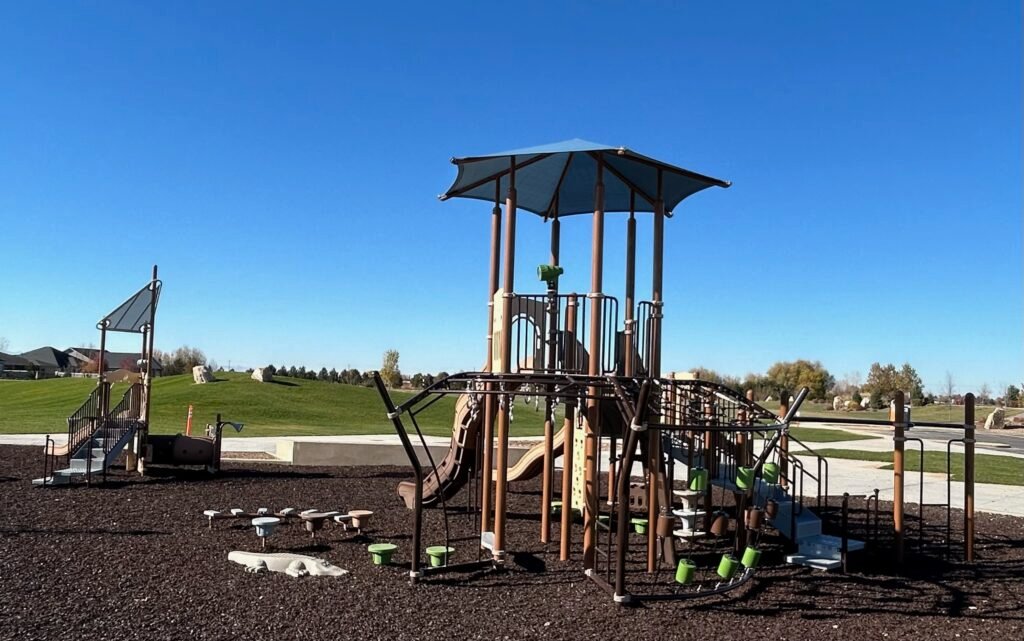
Understanding the True Cost of Playground Surfacing
It’s easy to assume that choosing the most affordable surfacing option is the best route, but in the long run, you might spend more time on maintenance and replacements than expected.
On the flip side, you may have invested in top-of-the-line surfacing, with assurances that it would last without much upkeep—only to discover that it still requires maintenance (and dollars) to stay safe and effective and to last as long as the life of your playground.
How do you navigate this decision to make sure you’re choosing the right surfacing solution?
What You Need to Know About Playground Surfacing Options
The primary goal of playground surfacing is to create a safe, secure environment for all users. Today, there is also a growing demand for inclusive surfacing options that meet the needs of children with disabilities, making it not only a safety concern but also an accessibility one. But what happens if your decision isn’t as well-informed as you thought?
In this first part of our two-part series, we’ll focus on loose-fill surfacing options, exploring their pros and cons to help you make the right choice for your playground. We’ll walk you through the most common types of loose-fill surfacing and explain what you can expect from each—both in the short and long term.
Stay tuned for Part Two, where we’ll dive into unitary surfacing options like poured rubber and synthetic turf, helping you confidently prepare for your next playground surfacing purchase.

EWF - Engineered Wood Fiber
Engineered Wood Fiber (EWF), or simply put, wood chips, has always been one of my favorite fall protection products. It offers an affordable upfront cost, and with proper maintenance, you can go longer between top-offs. However, we’re seeing more cities and schools move away from EWF due to a few key drawbacks.
PROS:
- Affordable initial cost
- A 12” depth covers any fall height for safety compliance
- Easy to install—can be self-installed or installed by a professional
- Considered universally “wheelchair accessible”
- Most EWF suppliers provide ASTM 1951 compliance for accessibility
- Biodegradable and environmentally friendly
CONS:

- High-traffic playgrounds will need additional wood chips on an annual basis
- Because it is biodegradable, this contributes to the need to buy additional chips to maintain a compliant depth
- Maintenance can be frequent and time-consuming, possibly daily!
- While technically "wheelchair accessible," anyone who uses a wheelchair can tell you that navigating wood chips isn’t as easy as it seems
- Ask any parent or teacher, and they’ll tell you that shoes, backpacks, and clothing often come home or back from recess with wood chips stuck to them
- It can be a home for insects, garbage, and things like needles, as they can be buried below the surface
MAINTENANCE:
- Daily, weekly, or monthly raking may be needed, particularly under slides and swings
- Regular sweeping is necessary to keep the EWF contained within the playground, sidewalks, or surrounding areas
- Top-offs are required to maintain a 12” depth for safety compliance, done by either a professional or self-installed
EXPECTATIONS:
- The initial costs can range from $30 to $40 per cubic yard, excluding freight and installation
- Factor in an additional 25% to your initial order to account for compaction over time
- Freight costs can add up depending on your supplier and location
- You can hire a professional to blow in EWF but expect higher service fees for this option
- A drainage system is super important for this application; we recommend a French drain or sump pit, see our sample specs here.
- Always include a weed barrier between the EWF and subgrade to prevent contamination
- Plan to top off the EWF every year or a few years, depending on usage and traffic levels

Loose - Fill Rubber Mulch
Loose-fill rubber mulch is becoming increasingly popular for a number of key reasons. This recycled tire product has greatly improved over the years. While there have been concerns about fragments or potential toxicity, most reputable suppliers offer a safe, tested product.
PROS:
- More cost-effective than unitary rubber surfacing products
- 5x heavier than Engineered Wood Fiber (EWF), making it a great option for windy environments
- Available in a variety of colors, depending on your supplier
- Does not biodegrade, which means fewer top-offs are required over time, and this makes it more durable than EWF
- A 6” depth covers up to a 12’ fall height however, we recommend an 8” depth for added safety
CONS:
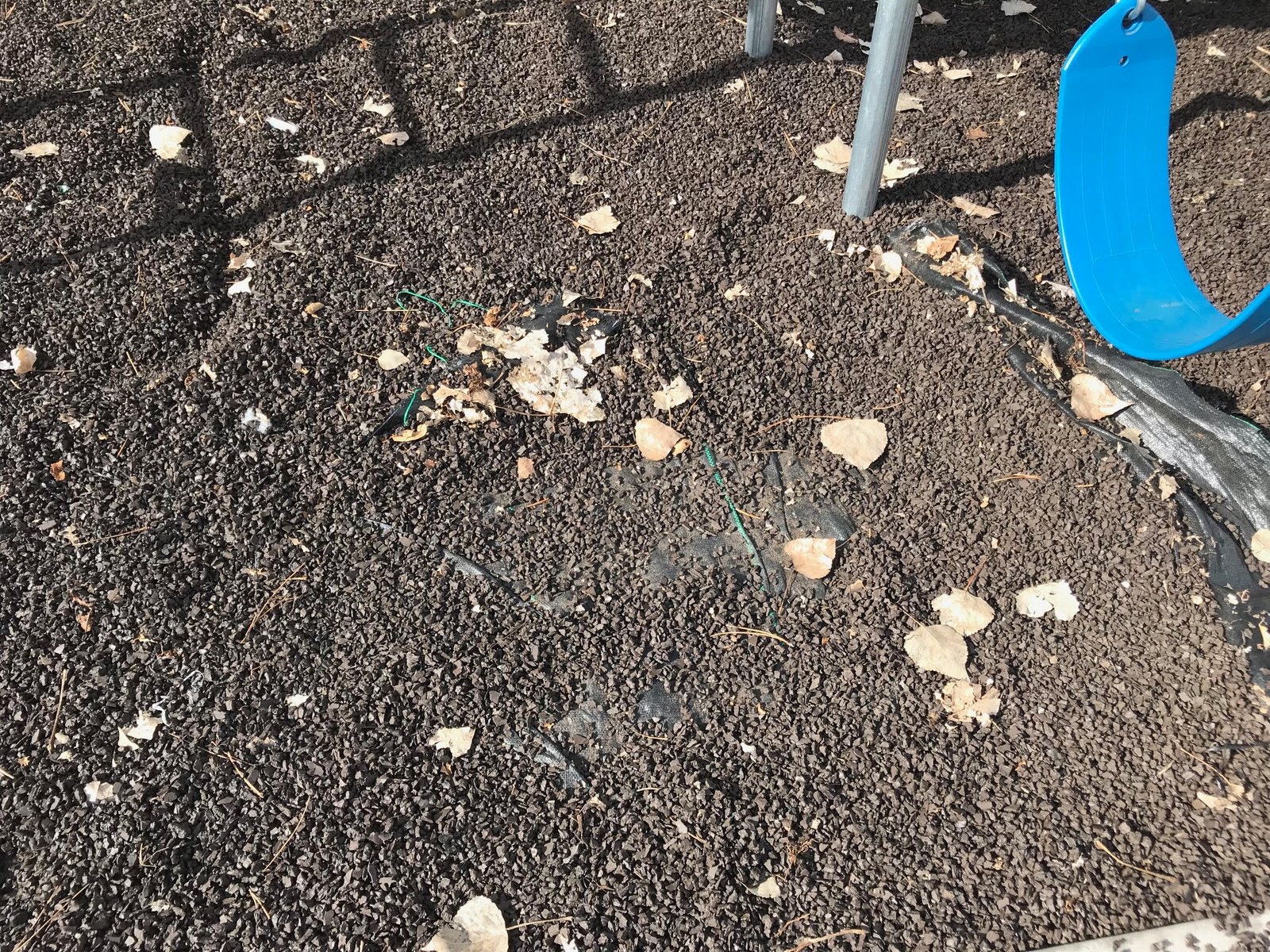
- Does not biodegrade, which may be a concern for those seeking an environmentally friendly option
- Will require top-offs eventually due to displacement—this occurs more often than with loose-fill wood chips as wood chips bind together, rubber mulch does not
- Negative reporting about mulch in grass or coming home or back from recess in clothing or shoes
- Depending on the supplier, we’ve seen color rub off onto shoes and clothing
- If not purchased from a reputable supplier, there is a risk of contamination from poorly processed materials
MAINTENANCE:
- Weekly or monthly raking may be required, especially under slides and swings where mulch is more easily displaced
- Regular sweeping is necessary to keep the mulch contained within the playground area
- Top-offs are necessary to maintain depth for safety compliance, which can be done either by a professional or self-installed
EXPECTATIONS:
- Initial costs range from $450 to $550 per ton (most mulch comes in one-ton bags, equal to 75 cubic feet), excluding freight and installation
- Be sure to factor in an additional 25% for your initial order to account for compaction over time
- Freight costs can add up, depending on your supplier and location
- Ask about color sales—our particular supplier often has great deals on specific colors
- Always include a weed barrier between the mulch and subgrade to prevent contamination of your surface
- Plan to top off every few years, depending on traffic and usage (we tend to do far fewer top-offs with rubber mulch compared to EWF)
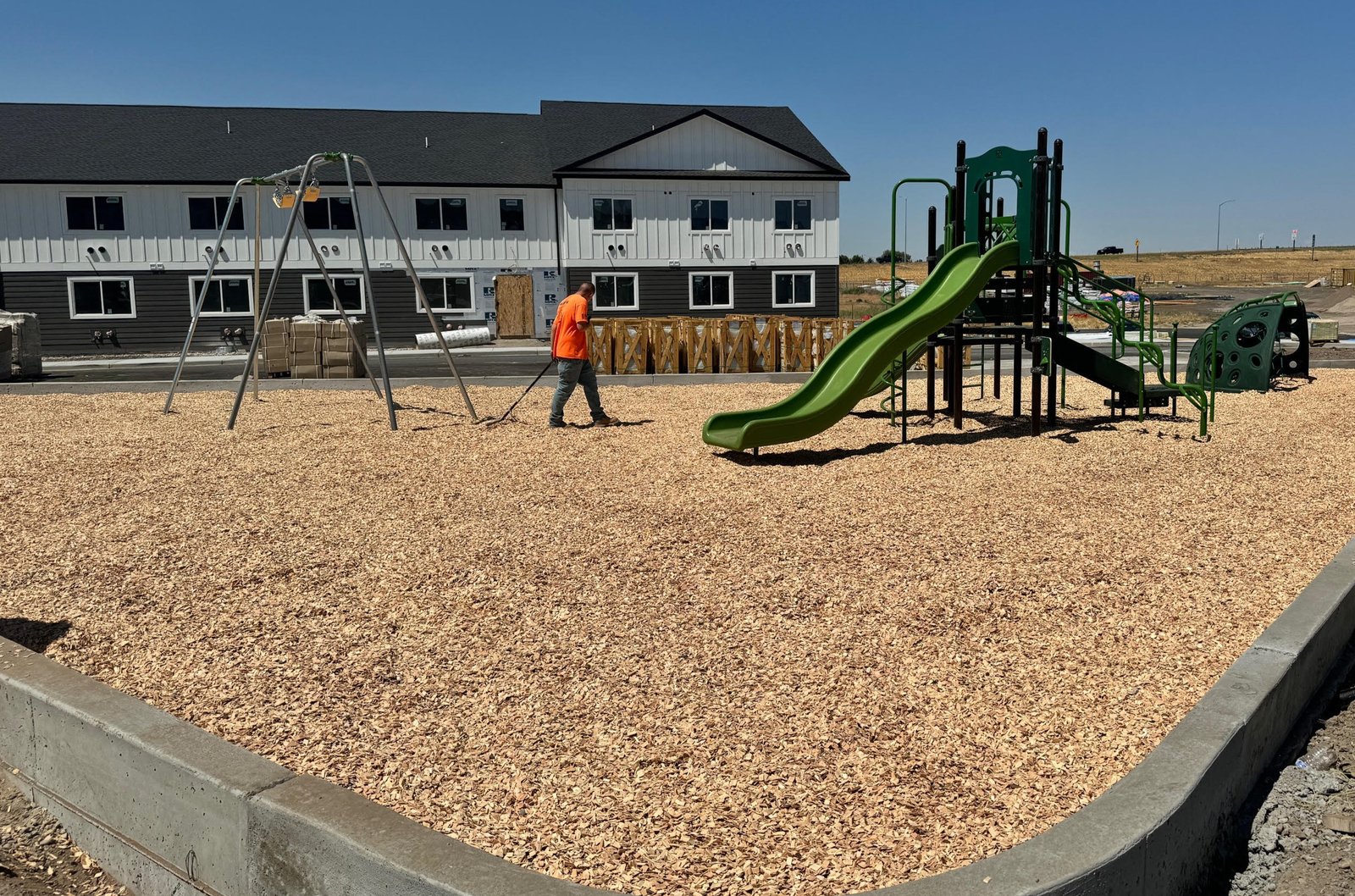
Selecting the right playground surfacing requires balancing safety, cost, and maintenance. Whether you choose loose-fill options like Engineered Wood Fiber or Rubber Mulch, understanding what each requires is key to a successful long-term solution.
In Part Two, we’ll dive into unitary surfacing options like poured rubber and synthetic turf to guide you in making the best choice for your playground.
In the meantime, you can reach out to your local Creative Play Designer for more information, pricing, and samples here.
See you on the playground!